Kurze Hose
The word ‘Sawm’ (fasting) fundamentally means to abstain or stop. This encompasses ceasing from eating and drinking, halting speech, or even pausing physical activity. The Quranic verse from Surah Maryam references a vow of abstinence. Historically, ‘Sawm’ in pre-Islamic Arabian society denoted refraining from desires, including sexual activity. It also described a horse standing perfectly still. The term was adopted by the Quran to define the act of fasting as a form of worship, signifying a complete cessation of bodily needs and worldly distractions. It’s a comprehensive cessation, not merely from food and drink, but from all impulsive desires and worldly engagements.

75
This lecture dissects the phenomenon of self-deception and the inescapable truth of one's own character. It asserts that while individuals may silence external opposition, they cannot escape the internal reckoning of their conscience. The lecture emphasizes that the self-reproaching soul (nafs-e-lawwama) possesses an inherent awareness of an individual's true nature and limitations. Despite rationalizations, excuses, or justifications, the conscience persistently reveals one's authentic self, stripping away facades and exposing underlying realities. This internal assessment remains constant regardless of external presentations.
35
The Quran is presented as the ultimate source of clarity and healing for the heart. It eradicates spiritual diseases such as arrogance, envy, materialism, the pursuit of worldly status, and the desire for fame. The Quran’s wisdom illuminates the heart, replacing these negative traits with spiritual purity and understanding. It is a complete remedy for inner turmoil and a guide to a righteous life. The Quran's light dispels darkness and fosters a connection with the Divine.
276
Those close to God experience no fear or grief. Fear stems from what God wills, and even seemingly undesirable events contain hidden benefits. The Quran highlights that what we dislike may be good, and what we desire may be harmful, as God’s knowledge surpasses our own. We perceive only the outward appearance of actions and events, unaware of the divine intention and wisdom behind them. Our vision is limited; we cannot comprehend the ultimate purpose of God. Therefore, we are easily affected by superficial occurrences. True understanding lies in recognizing God’s overarching plan, which remains beyond our immediate perception.
48
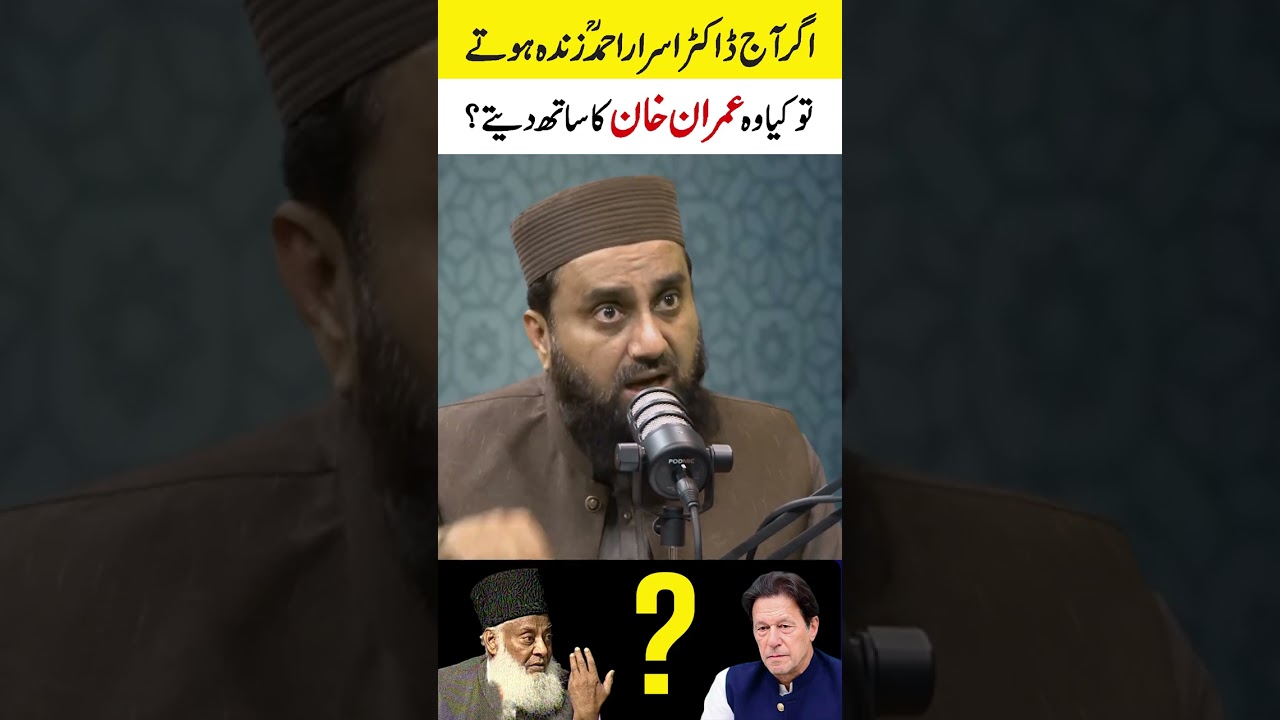
Dr. Israr Ahmad discusses the concept of a 'State of Medina' and its moral foundations, criticizing the hypocrisy of those who invoke its principles while failing to embody its ethical standards. He emphasizes the importance of upholding justice, promoting good, and preventing evil, and warns against inconsistency between professed ideals and actual conduct. He stresses the need for genuine piety and righteousness in all aspects of life, particularly within political spheres. He further clarifies that offering constructive advice to those in power is a continuous responsibility, driven by a desire for societal betterment.
55
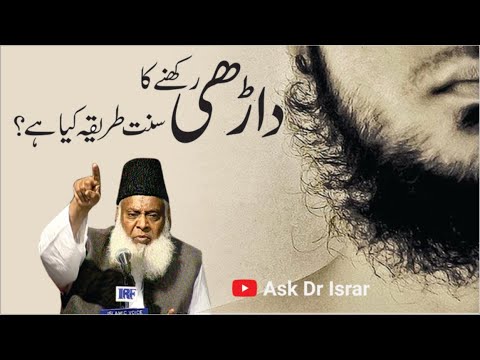
This lecture clarifies the Islamic rulings regarding beards and mustaches. It states that growing a beard is a Sunnah, and interfering with its natural growth is discouraged. Trimming for balance is permissible if growth is uneven. Shaving the beard completely or excessively is considered a greater sin than not growing one at all. The lecture emphasizes that adhering to these practices is considered obligatory by some scholars, as it aligns with the teachings and practices of the Prophet Muhammad (peace be upon him).
66
