Celana pendek

True piety (taqwa) isn't about outward appearances or rituals, but an internal state of consciousness and unwavering faith. It’s a complete immersion of one's personality in the principles of divine guidance. Genuine piety manifests as a consistent effort to please God and avoid disobedience, permeating the entire being with a distinct spiritual color. It resides in the heart and is intrinsically linked to faith. The Prophet Muhammad (peace be upon him) repeatedly pointed to his chest to emphasize that piety dwells within the heart, not in external displays.

37

This lecture explains that on the Day of Judgement, a manifestation of Allah will occur, but only those with faith will be granted this divine vision. The Quran states that disbelievers will be veiled on that day, unable to witness this manifestation reserved for the believers. This vision is a special blessing for the faithful, inaccessible to those who rejected faith.
43
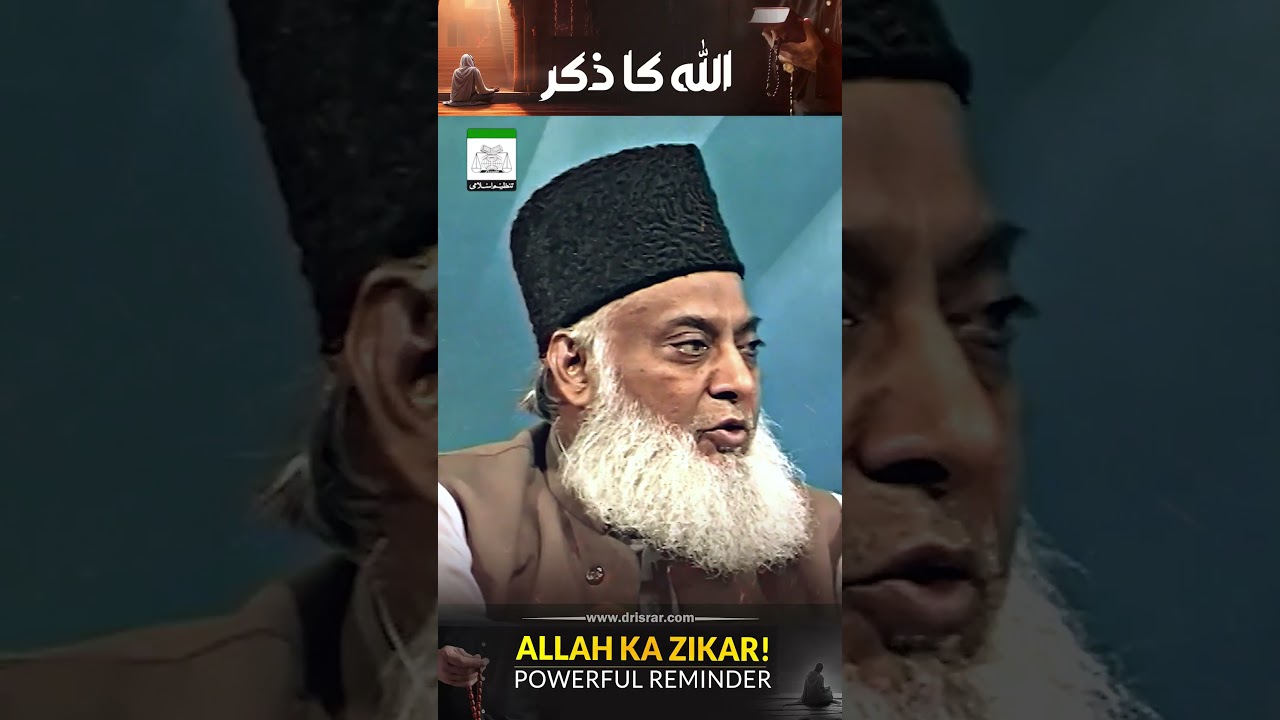
This lecture emphasizes the constant remembrance of Allah in all aspects of life. It highlights the importance of incorporating supplications (du'a) into daily routines – upon entering and exiting homes, markets, and even restrooms – without disrupting one's activities. The core message is maintaining a continuous connection with Allah through these acts of devotion. The speaker further emphasizes the significance of reciting the Quran and offering prayers as the greatest forms of remembrance. This constant connection, the lecture argues, is the essence of a believer’s life.
54

This lecture clarifies that Allah accepts the repentance of those who commit errors due to ignorance or emotional impulse, provided they sincerely turn back to Him immediately. The verse from Surah An-Nisa emphasizes that Allah’s acceptance of repentance is guaranteed for those who act out of unawareness but promptly seek forgiveness. This highlights the boundless mercy of Allah and the importance of immediate repentance after a mistake.
50

Dr. Israr Ahmad warns of a time when the Muslim community will be left with only the name of Islam, and the Quran will be reduced to its calligraphy and letters. He emphasizes a divine guarantee for the preservation of the Uthmani script. He predicts a proliferation of mosques that are devoid of guidance, and describes scholars who will be the worst of people, fostering discord and conflict. These scholars will be the source and destination of fitna (discord), promoting sectarianism and exacerbating differences among Muslims. He observes that a vast majority of contemporary religious leaders exhibit these characteristics.
78

This discourse emphasizes that truthfulness stems from aligning statements with the principles of the Quran. Justice is achieved through Quranic rulings, and reward is assured for those who act upon its teachings. The Quran itself guides, and those who call others to it are guaranteed guidance. The speaker prays for divine assistance in remaining steadfast on the straight path for themselves and the audience.
85
