شلوار کوتاه

This lecture explains the concept of *tasbeeh* – the glorification of God – as inherent in the very fabric of creation. It clarifies that *tasbeeh* isn't limited to verbal recitation but encompasses the perfect and sustained existence of all things, free from imperfection or need. The lecture draws parallels between the act of floating or orbiting – maintaining a fixed course – and the continuous glorification of God by the universe. Every element, from planets to particles, testifies to the Creator’s perfection and power. The universe operates flawlessly, demonstrating divine knowledge, wisdom, and omnipotence. True *tasbeeh* is the silent testimony of creation to its perfect Creator, a being free from all flaws, weakness, and dependence.

58
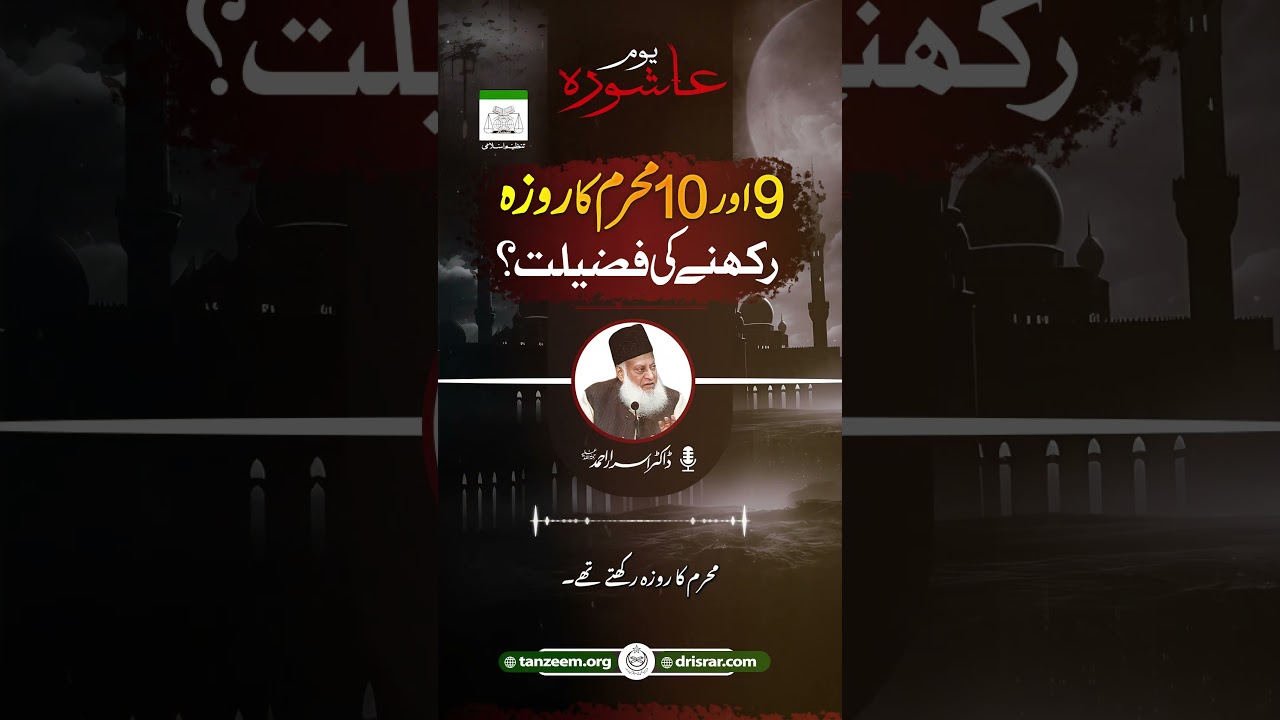
The observance of fasting on the 9th and 10th of Muharram is a recommended practice. It originated from the Prophet Muhammad’s desire to distinguish the Muslims from the Jewish community of Medina, who fasted on the 10th of Muharram commemorating their liberation from Pharaoh. The Prophet, acknowledging a stronger connection to Moses, instructed his companions to fast for two days – the 9th and 10th – instead of one. While not obligatory, this practice holds significance as a voluntary act of worship and a demonstration of the Muslim community's unique identity.
60

This lecture explores the concept of unwavering faith and dedication to God’s path, drawing a parallel to a solid, impenetrable wall. Dr. Israr Ahmad explains that true believers stand firm in their commitment, united and resolute, much like a wall reinforced with concrete. He references Iqbal's poetry to illustrate the courage and strength of those who fight for their faith, highlighting that God loves those who strive in His cause, standing together as an unbreakable force. The lecture emphasizes that this steadfastness is the key to attaining divine favor and recognition.
65

This lecture elucidates the dynamic and revolutionary nature of faith, emphasizing that the true essence of belief lies in striving for the elevation of God's religion. Prayer, fasting, pilgrimage, and charity are not merely rituals, but tools to cultivate the patience, steadfastness, and resilience necessary for this struggle. Without a clear purpose – the advancement of faith – these practices risk becoming empty formalities. A life dedicated to the glory of faith imbues these acts with genuine meaning and purpose, transforming the believer into a dedicated servant.
60
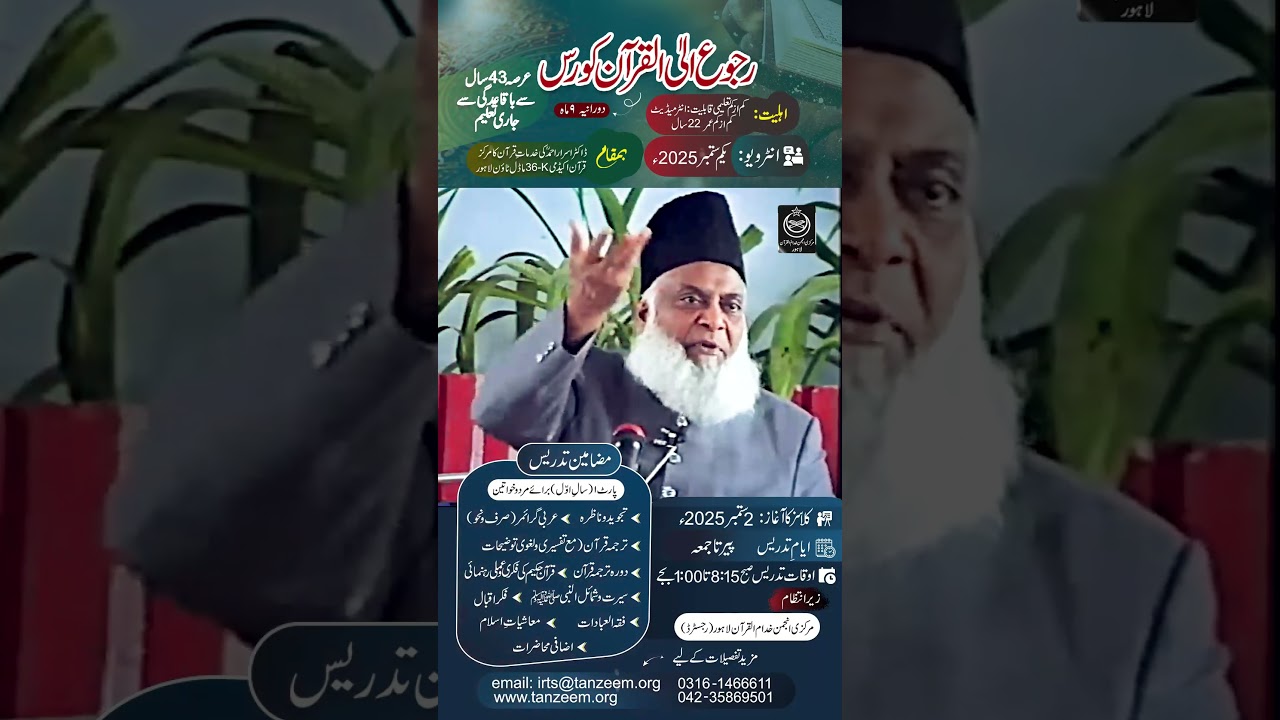
This lecture emphasizes the necessity of personal repentance (tawbah) and its expansion into a collective movement. It urges listeners to prioritize learning Arabic to properly understand and convey the Quran, as the primary medium for inviting others to the faith. The speaker stresses the urgency of life, the potential for unforeseen circumstances, and the importance of dedicating time to religious education and the preparation of a dedicated group (da'i) committed to spreading the message of Islam. He shares his life's dedication to Quranic study, teaching, and the organization of a committed group, viewing this as a vital struggle for the faith. The ultimate goal is the growth of a movement devoted to upholding and propagating Islamic principles.
62
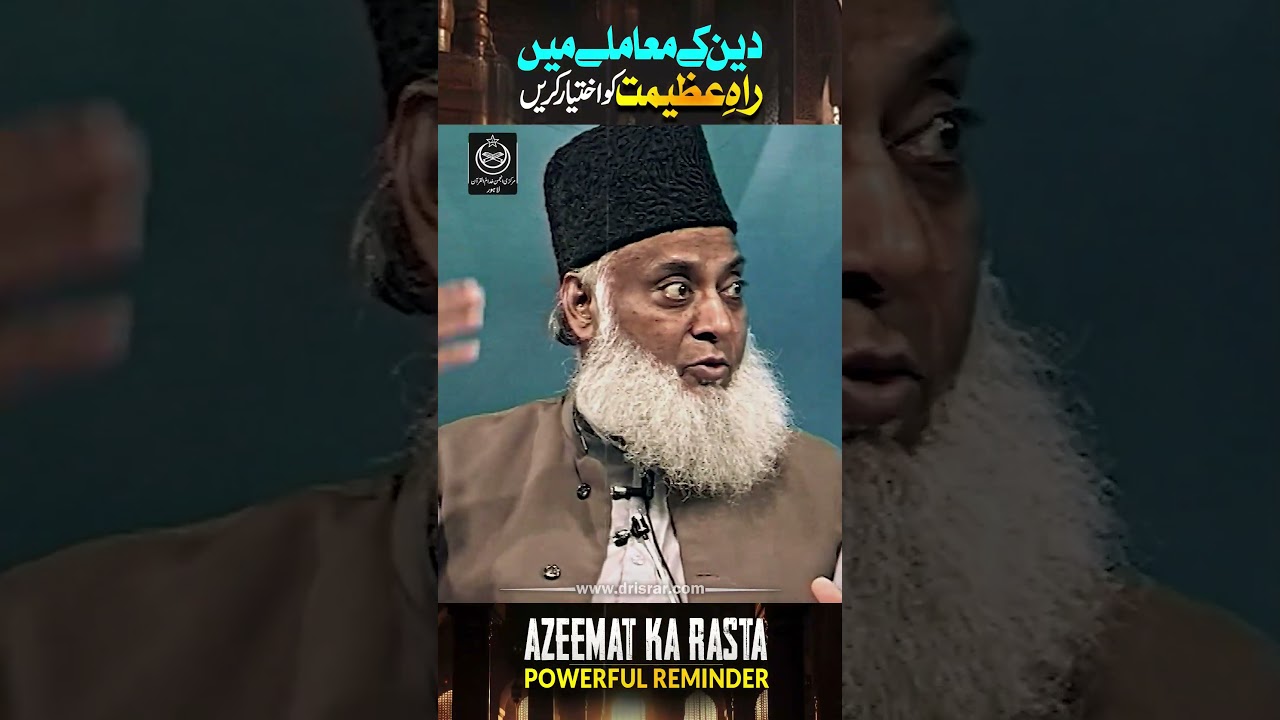
This lecture emphasizes the importance of actively listening to guidance and striving for the highest standards in faith. It contrasts a worldly acceptance of ‘good enough’ with the Islamic imperative to continually improve and pursue excellence ('ihsan'). The speaker highlights that faith is not static, progressing from Islam to Iman to Ihsan, and encourages listeners to adopt a mindset of continuous improvement in their spiritual journey. Accepting minimum requirements is discouraged; instead, a commitment to the best possible path is advocated.
69
