Shorts
This lecture explains the concept of *tasbeeh* – the glorification of God – as inherent in the very fabric of creation. It clarifies that *tasbeeh* isn't limited to verbal recitation but encompasses the perfect and sustained existence of all things, free from imperfection or need. The lecture draws parallels between the act of floating or orbiting – maintaining a fixed course – and the continuous glorification of God by the universe. Every element, from planets to particles, testifies to the Creator’s perfection and power. The universe operates flawlessly, demonstrating divine knowledge, wisdom, and omnipotence. True *tasbeeh* is the silent testimony of creation to its perfect Creator, a being free from all flaws, weakness, and dependence.

58
A truly accepted pilgrimage, Hajj-e-Mabroor, is achieved through earnings from lawful sources and meticulous adherence to all its conditions, avoiding disputes and prioritizing the needs of fellow pilgrims. This selfless act fosters piety and guarantees a reward from Allah. Such a pilgrimage cleanses one of past sins, akin to a newborn's purity. It emphasizes the importance of sincerity, lawful income, and selfless service during Hajj to attain divine acceptance and spiritual renewal.
68
This lecture explains how Eid al-Adha, with its central practice of sacrifice, represents a broadening of the sacred experience of Hajj. The speaker highlights that while not everyone can physically perform Hajj, participating in the sacrifice of Eid al-Adha allows Muslims worldwide to share in that same spiritual objective. The discussion draws parallels between certain restrictions observed during Hajj and those followed during the days of sacrifice, noting similarities in ritual practices. The core idea presented is that Eid al-Adha extends the spirit of devotion and unity inherent in Hajj to all Muslims, regardless of their geographical location or ability to travel to Mecca.
62
Human beings are prone to error, being descendants of Adam. The core message emphasizes consistent repentance as a path to divine mercy. Despite repeated failings, sincere *tawba* (repentance) is perpetually accepted. The lecture highlights that breaking repentance does not disqualify one from returning to it. Allah’s mercy remains accessible as long as one continues to seek forgiveness. It stresses that the door of repentance is always open, even after multiple transgressions, and that consistent effort to return to Allah is vital.
60
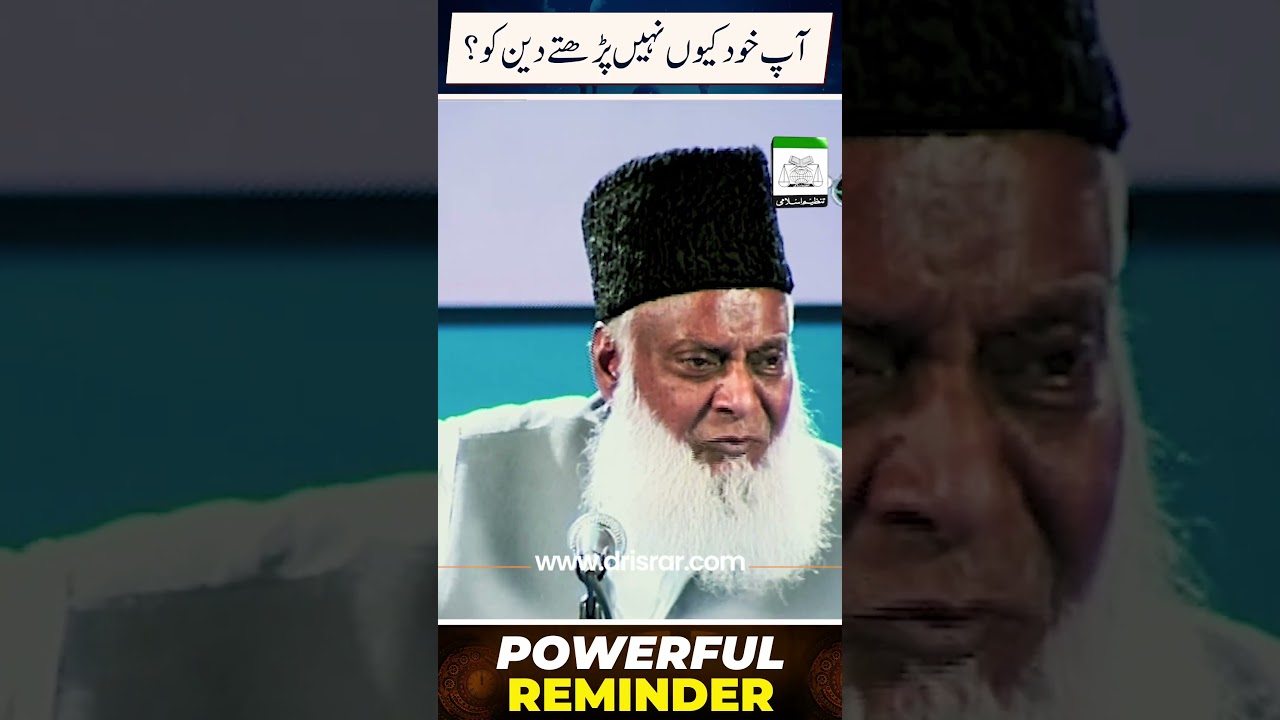
This lecture critiques the societal trend of prioritizing worldly education and careers over religious knowledge and practice. It argues that every Muslim should be capable of performing essential religious duties like leading prayers and conducting marriage ceremonies. The speaker challenges the audience to self-reflect and examine their own commitment to Islamic principles rather than criticizing religious scholars. The lecture highlights a shift in priorities towards material success and away from spiritual development, questioning why individuals pursue professions that offer wealth and status while neglecting religious obligations. It emphasizes that true religious understanding comes from personal devotion and not solely from professional clerics.
62

The gathering of a nation within the ‘Houses of God’ – primarily mosques, but extending to any place where the remembrance of God occurs – is a source of divine tranquility. Those assembled recite and contemplate the Quran, leading to the descent of divine peace, God's mercy, and the encirclement by angels. God takes pride in these devoted individuals, acknowledging their pursuit of understanding His word. This highlights the special status of those who gather solely to comprehend divine revelation.
85
