Shorts
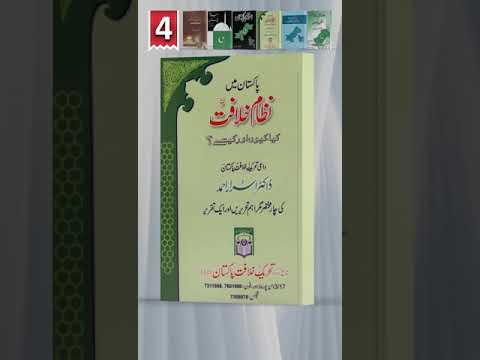
This collection of lectures by Dr. Israr Ahmad addresses critical questions about Pakistan’s history, ideology, and future. Topics include the legacy of the founder of Tanzeem-e-Islami, the viability of a caliphate system, the historical and political context of Islam in Pakistan, the factors contributing to Pakistan’s instability, and the reality of the Pakistan Ideology. The set also features Dr. Ahmad's analysis of Pakistan's political landscape from 1977 to 1987. Available for ₨1200 (originally ₨1900) from Maktaba Khuddam-ul-Quran, Lahore. Home delivery is free with cash on delivery. Order online at www.maktaba.com.pk or WhatsApp at 0301-1115348.

53
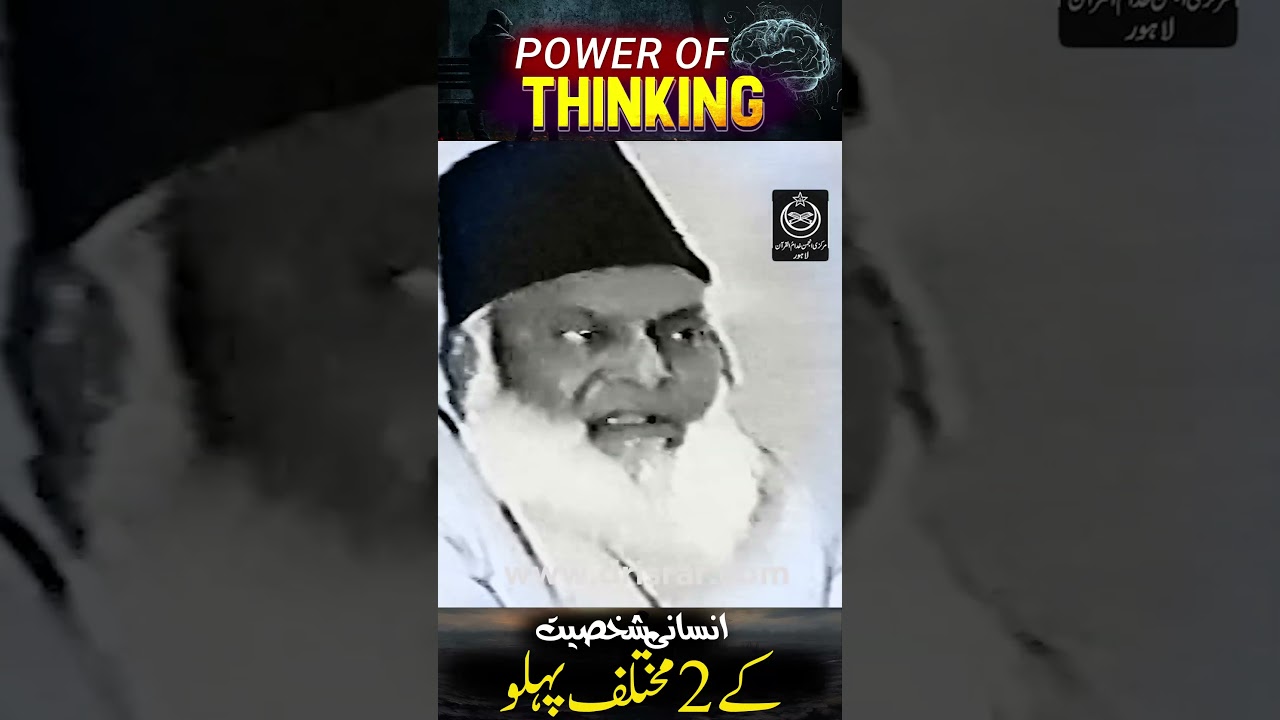
Human personality is comprised of two essential aspects: knowledge and thought, and action and character. These two are inextricably linked; a person’s beliefs and ideas manifest in their actions, ethics, and dealings. Correct action stems from sound thinking; flawed foundations lead to flawed outcomes. Limited thought results in limited action and character. A skewed initial approach inevitably leads to a distorted final result.
34

This lecture defines true obedience (itaat) as willing and joyful adherence to the commands of Allah and His Messenger. It distinguishes between obedience stemming from inner willingness and actions performed under compulsion. Genuine obedience manifests in all aspects of life – actions, movement, gaze, and hearing – aligning entirely with divine guidance. Every deed, every step, every glance, and every sound should reflect submission to Allah and His Prophet, ensuring complete conformity to their commands. This entails a conscious effort to avoid any action that displeases Allah or contradicts His teachings.
40
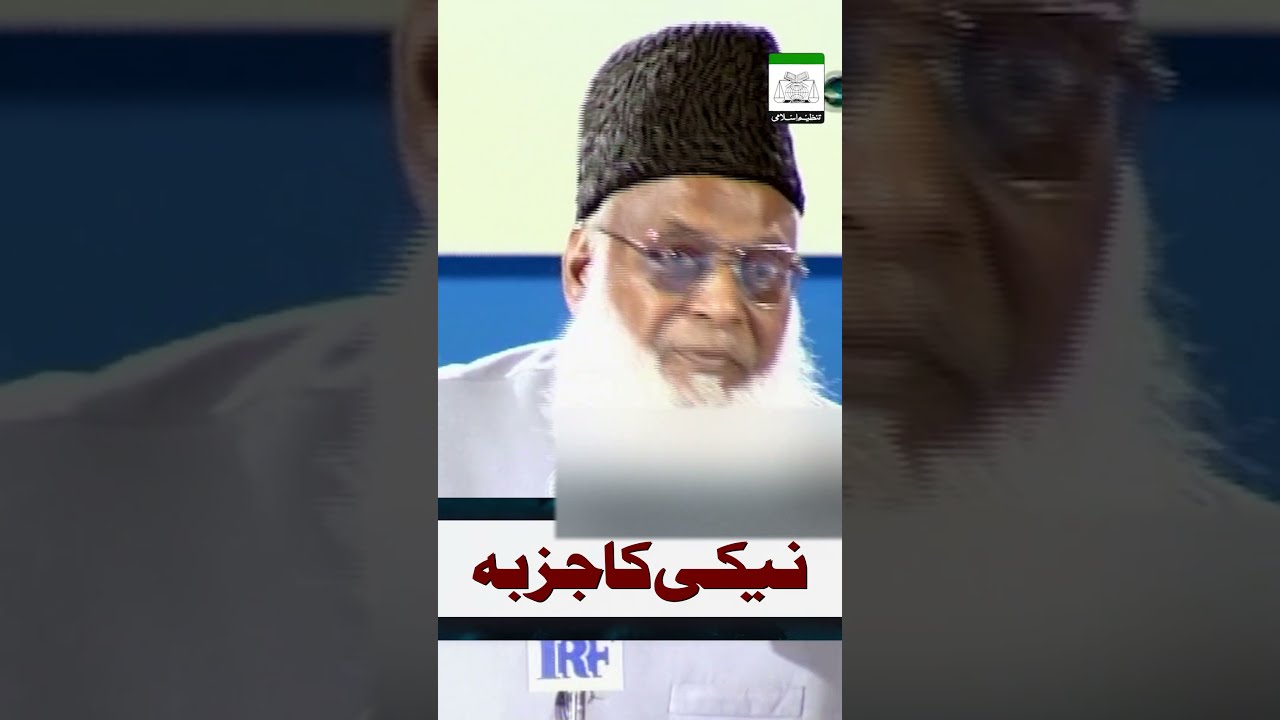
The impulse for goodness, while seemingly pure, can ironically lead to negative outcomes if taken to extremes. This lecture explores how intense dedication to piety – exemplified by asceticism and world-renunciation – can, paradoxically, foster immoral behavior. Historical examples, specifically within Christian monasticism, reveal instances where monasteries, intended for spiritual devotion, became sites of illegitimate births and concealed transgressions. The speaker argues that unchecked enthusiasm for good intentions, devoid of balance and practical wisdom, can give rise to undesirable consequences.
53
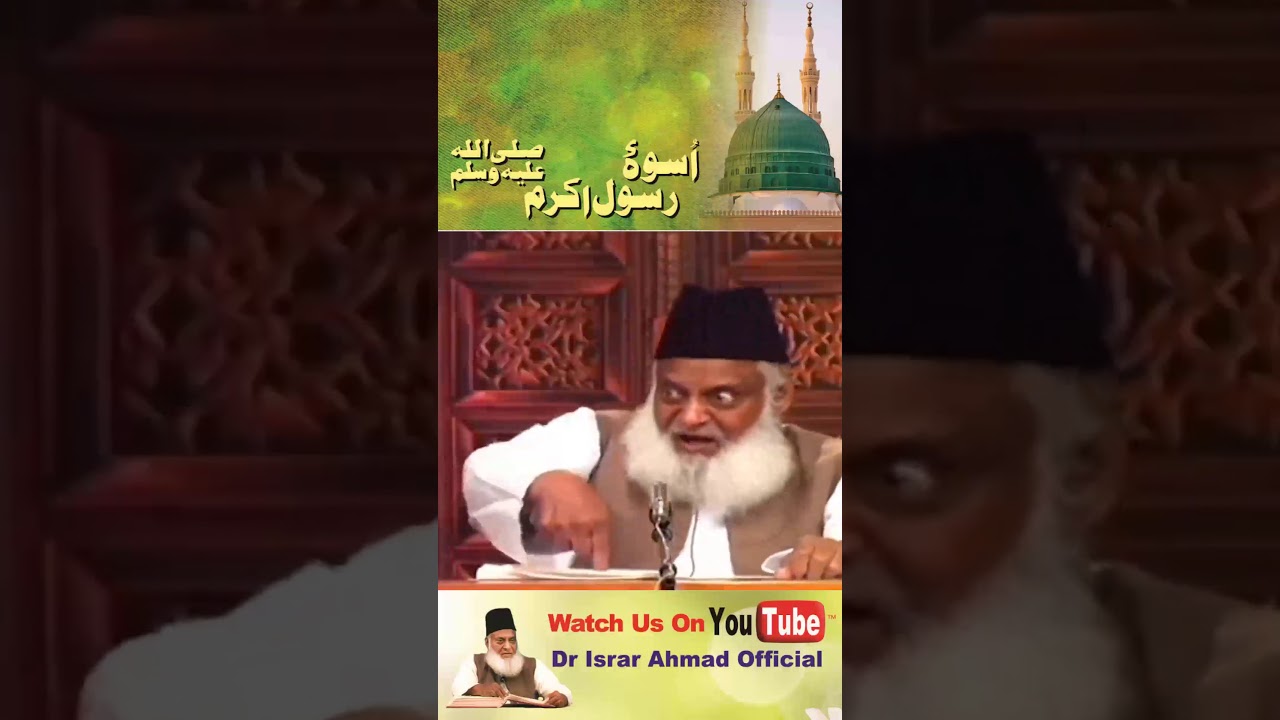
This lecture clarifies the true meaning of ‘Uswa-e-Hasana’ (the excellent example) as revealed in the Quran, specifically during the Battle of the Trenches. It moves beyond superficial interpretations like simply growing one's beard or raising trousers above the ankles. The core of the prophetic example lies in actively confronting falsehood, even at the cost of life and possessions. True adherence to the Prophet's way is demonstrated through unwavering struggle against evil, not merely through ritualistic observance of religious practices while remaining complacent in the face of injustice. It challenges the notion of a comfortable faith and emphasizes the proactive struggle against falsehood as the essence of the prophetic example.
88
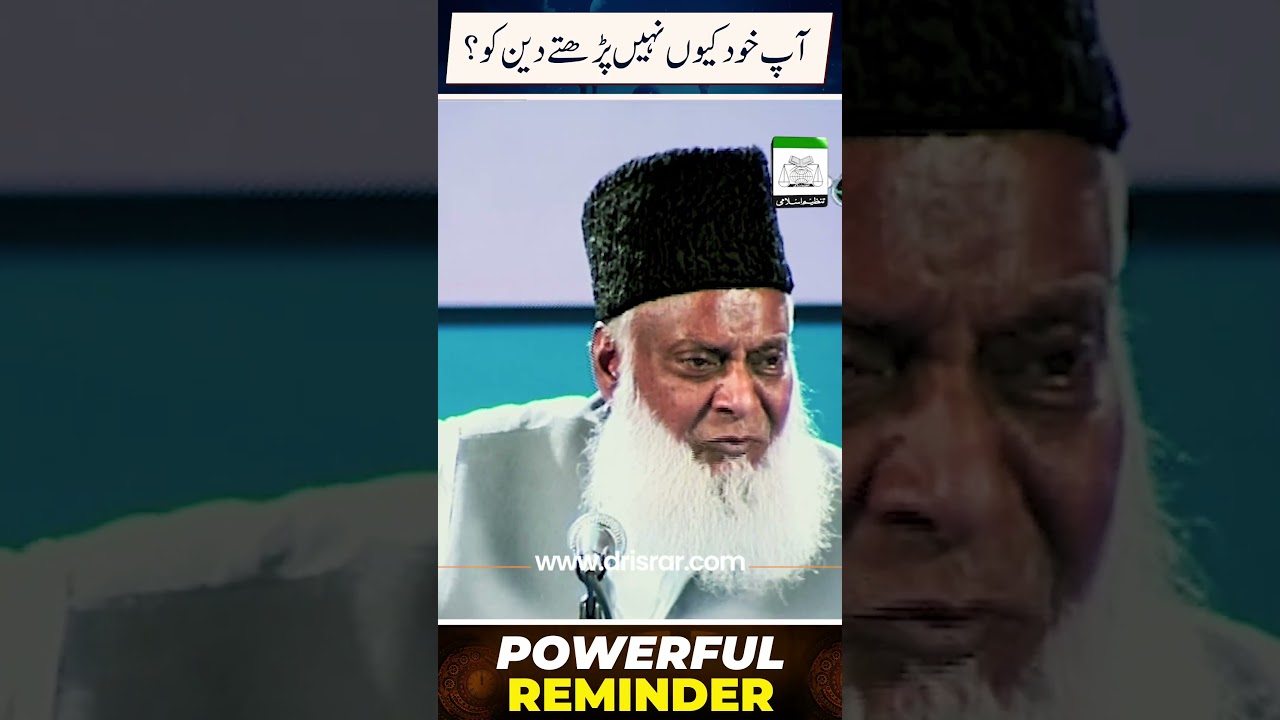
This lecture critiques the societal trend of prioritizing worldly education and careers over religious knowledge and practice. It argues that every Muslim should be capable of performing essential religious duties like leading prayers and conducting marriage ceremonies. The speaker challenges the audience to self-reflect and examine their own commitment to Islamic principles rather than criticizing religious scholars. The lecture highlights a shift in priorities towards material success and away from spiritual development, questioning why individuals pursue professions that offer wealth and status while neglecting religious obligations. It emphasizes that true religious understanding comes from personal devotion and not solely from professional clerics.
57
